Assessing Suicide & Safety Risk in Military Veterans: Best Practices
Delivery Mode
Live Online
Date
November 6, 2026
Details
- Time: 12pm PT, 3pm ET
- Length: 90 minutes
- Continuing Education Credits (CE): 1.5
- Discounts: AU Students & Alumni: Enter code AU30 at checkout for 30% off
Description
This workshop equips clinical mental health counselors with the knowledge and tools to conduct effective risk assessments through a military- and veteran-specific lens. Participants will gain a deeper appreciation and understanding of military culture, exploring how this population’s unique strengths and experiences intersect with potential clinical risk factors. Drawing from both lived military experience and research on military-veteran mental health, this session challenges traditional assumptions and expands perspectives on working with veterans and their families.
Through case examples and applied learning, counselors will enhance their ability to identify and assess military-specific risk factors, apply evidence-based assessment tools, and develop culturally responsive safety plans that align with veterans’ values and help-seeking patterns.
Learning Goals
- Identify and assess military-specific risk factors
By the end of this workshop, participants will be able to identify at least 5 unique risk factors common to military-veteran populations
(such as combat exposure, moral injury, transition stress, and access to firearms) and integrate these factors into comprehensive
suicide and violence risk assessments. - Apply evidence-based risk assessment tools adapted for veteran populations
Participants will be able to select and administer at least 2 validated risk assessment instruments appropriate for military-veteran
clients (such as the Columbia-Suicide Severity Rating Scale or veteran-specific screening tools) and interpret results within the context
of military culture and experience. - Develop culturally responsive safety planning and intervention strategies
Participants will be able to create tailored safety plans and risk management interventions that account for military values, veteran
help-seeking behaviors, and available veteran-specific resources (including VA services, veteran peer support, and crisis lines), while
addressing barriers to care unique to this population.
Instructor
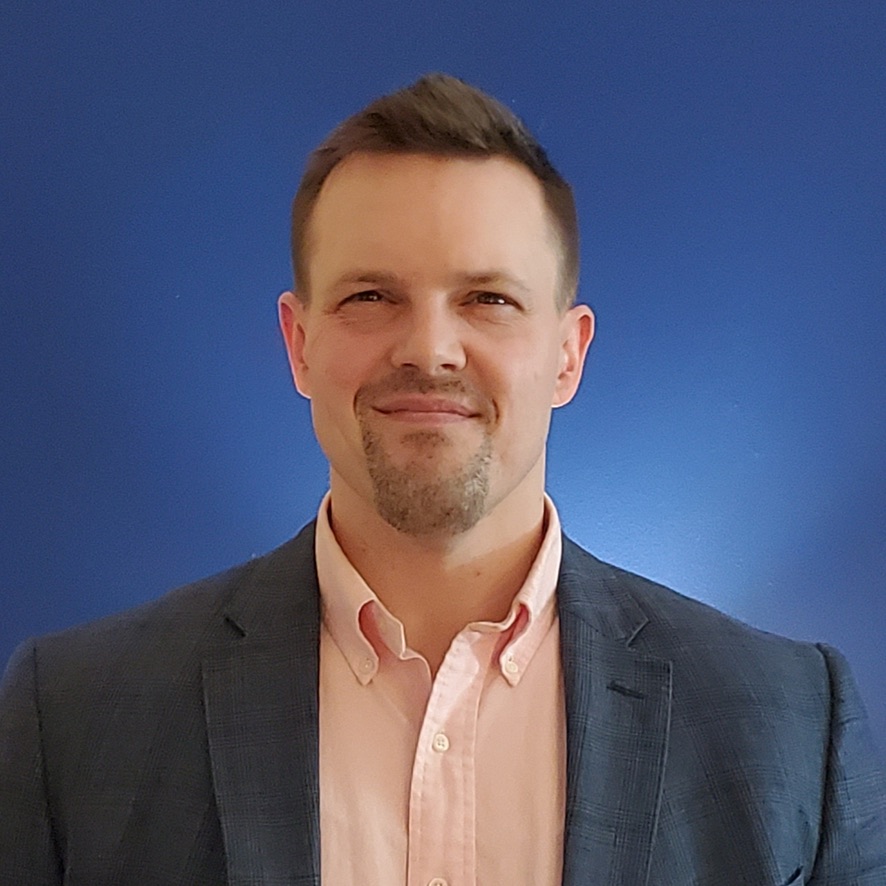
Dr. David Gosling
PhD, LPC (VA, WI), NCC
Dr. David Gosling is a Licensed Professional Counselor (LPC), Assistant Professor and the Director of Military Counseling in the counseling program at William & Mary’s School of Education. David previously served as a core faculty member in the Counseling, Psychology, and Therapy Department at Antioch University, where he was the co-founder and director of the Military, Veterans & Families (MVF) Counseling Certificate, as well as the Military Connected Student Support Liaison for Antioch University’s five nationwide campuses.
David is a proud alum of William & Mary’s Counselor Education and Supervision program, a former Airborne Ranger-qualified Infantry Officer in the U.S. Army and combat veteran of Operation Iraqi Freedom 06-08, the Honor Graduate of the 2009 Rhode Island State Police Academy and the Distinguished Military Graduate of the University of Colorado’s Army ROTC program in 2004. His other professional pursuits beyond the military, law enforcement and counselor education have included working as an Outward Bound wilderness guide for troubled teens, operating an Islamic nonprofit farm and retreat center and working in veterans advocacy on Capitol Hill.
Continuing Education
Individuals must attend the entire event to receive continuing education credit. Partial credit is not available. Additional requirements regarding enrollment, documentation and eligibility may apply.
Continuing Education Certificates
Course Completion certificates will be awarded at the end of the course in exchange for a completed evaluation form. Individuals who successfully complete the program will receive a certificate for 1.5 continuing education credit hours. This certificate may be submitted to your state’s licensure or certification board for their consideration in meeting renewal requirements. CE credit varies from state to state. Participants are encouraged to check with their licensing board to determine if this offering qualifies for acceptance as Continuing Education credit.
California Association of Marriage and Family Therapists (CAMFT)
Course meets the qualifications for 1.5 hours of continuing education credit for LMFTs, LCSWs, LPCCs, and/or LEPs as required by the California Board of Behavioral Sciences. Antioch University is approved by the California Association of Marriage and Family Therapists to sponsor continuing education for mental health professionals. Antioch University maintains responsibility for this program/course and its content.
National Board for Certified Counselors (NBCC)
Antioch University New England - Clinical Mental Health Counseling Department has been approved by NBCC as an Approved Continuing Education Provider, ACEP No. 4338. Programs that do not qualify for NBCC credit are clearly identified. Antioch University New England - Clinical Mental Health Counseling Department is solely responsible for all aspects of the programs.
Accommodations
To request accommodations for special needs, please email the Program Administrator at [email protected].
Terms & Conditions
Cancellations received in writing 7 days before the date of the event are entitled to a full refund. Cancellations received between 6 and 3 days before an event are entitled to a 50% refund. Cancellations 2 or less days before an event will not be eligible for a refund.