• Skip to main content
Antioch.edu
Explore Degree Programs

Antioch University Continuing Education

  • Professional Development

    Professional Development

    Focus Areas

    • Counseling, Psychology, and Therapy
    • Education
    • Military
    • Nature-Based Early Childhood Education
    • Personal Enrichment

    Specific Programs

    • Conferences
    • Ethics
    • In Bloom
    • Licensure Renewal
    • Partnered Programs

    Delivery Mode

    • Hybrid
    • In-Person
    • Live Online
  • Academic Courses

    Academic Courses

    Focus Areas

    • Clinical Mental Health Counseling
    • Counseling, Psychology, and Therapy
    • Education
    • Environmental Studies
    • Experienced Educators
    • Graduate Leadership & Management
    • Humane Education
    • Nature-Based Early Childhood Education
    • Trauma-Informed Education & Dyslexia Studies

    Semester

    • Fall 2026

    Delivery Mode

    • Hybrid
    • In-Person
    • Online
    • Various
Hide Search

NBCC

Dreams, Duty, and Decisions: Counseling Military Spouses on Self Care

· April 23, 2026 ·


Military spouses often carry invisible burdens—balancing caregiving, relocation, and constant adaptation while quietly setting aside their own goals and identity needs. For clinicians, supporting these clients requires a nuanced understanding of how chronic role strain, shifting family systems, and identity disruption intersect to produce burnout.

This 90-minute professional development session equips counselors with tools to identify the psychosocial stressors most common among military spouses, evaluate existing interventions for effectiveness, and design practical, individualized action plans that foster resilience and self-redefinition. Through case-based discussion and reflection, participants will deepen their capacity to help clients reclaim agency, reframe purpose, and integrate self-care into the rhythms of military life.

Learning Goals

  1.  Identify common psychosocial stressors and role expectations that contribute to burnout and identity disruption in military spouses.
  2. Evaluate the effectiveness of existing clinical approaches for supporting military spouses experiencing burnout or identity loss.
  3. Design a brief clinical action plan incorporating at least one intervention to reduce burnout and promote resilience in a military spouse client case.

Instructor

Cecily Moore

LPC-MHSP, LMHC


Cecily Moore

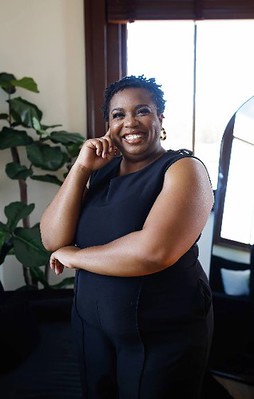
Dr. Moore is very excited to be a part of the AUNE counseling department. Currently, Dr. Moore lives in Fort Walton Beach, Florida, with her spouse and two children. Dr. Moore is a military spouse and owns an online counseling practice working with Black professional mothers.

Dr. Moore specializes in addressing the SBW narrative, depression, career-related stressors, career trauma, and perinatal mental health concerns. Dr. Moore is trained in EMDR, play therapy, solution-focused therapy, and perinatal mental health treatment protocols. Dr. Moore loves to read and considers herself a lifelong learner.

Introduction to Internal Family Systems (IFS): Experiential Parts Work and Clinical Application

· April 20, 2026 ·

This workshop introduces Internal Family Systems (IFS) as both an experiential and clinically applicable framework for understanding and working with the human psyche.

Grounded in the core principles of the IFS Institute model, participants will learn how the mind naturally organizes into parts, how Self-energy functions as an internal leader, and how protective and vulnerable parts interact within an internal system.

The training is designed to bridge conceptual understanding with lived experience. Participants will engage in a guided parts-mapping process to explore their own internal system, followed by structured instruction on how to apply IFS-informed interventions in clinical practice.

This course emphasizes accessibility, relational presence, and practical integration, allowing clinicians to embody the work rather than solely understand it intellectually. The material is relevant for both those new to IFS and practitioners seeking to deepen their experiential and clinical application of the model.

Learning Goals

  1. Participants will be able to identify and describe at least three core components of the IFS model, including parts, Self-energy, and protective roles.
  2. Participants will be able to construct a basic parts map of their own internal system, identifying at least two protective parts and one vulnerable part.
  3. Participants will be able to differentiate between Self-led presence and parts-led reactivity in clinical interactions.
  4. Participants will be able to demonstrate at least two IFS-informed interventions for working with protective parts in a clinical setting.

Instructor

Joseph Bielling

LPCA, Certified Level 3 IFS Therapist

Trauma-informed therapist & educator integrating IFS, somatics, and Self-leadership IFS Level 3 • LPC-Associate • Author

As a Certified Level 3 Internal Family Systems (IFS) Practitioner and Licensed Professional Counseling Associate, my passion lies in empowering individuals to understand the intricacies of their minds, unlocking their full potential. My journey has been profoundly shaped by the transformative power of combining psychedelics and IFS, healing deep trauma where traditional therapy often falls short. Since 2007, I have been an entrepreneur dedicated to wellness and mental health. I own a wellness center and a coaching business, and I hold a master’s degree in Clinical Mental Health Counseling. My career has been defined by creating cooperative opportunities, assisting wellness practitioners in running their businesses, and helping individuals heal from past wounds. My mission is to help people understand how their minds actually work so they can reach their potential with confidence, courage, and compassion. My dedication to personal growth and the IFS therapy model began in 2016. This approach has had a profound impact on my life, allowing me to resolve and heal trauma that traditional therapy couldn’t touch. IFS helped me realize that I am not a broken or damaged person, but rather a whole individual capable of profound self-understanding and growth. In my coaching and counseling roles, I bring my personal growth experience, passion for helping others, and skills in active listening and compassion to the forefront. I am committed to guiding my clients on their journeys to self-discovery and healing, leveraging my expertise to make a lasting impact on their lives. I am excited to connect with individuals and organizations who share my dedication to mental health and personal growth. Let’s connect and explore how we can work together to create a healthier, more compassionate world.

Psychedelics in Recovery: Ethics, Integration, and Practice

· March 16, 2026 ·

A therapy session between two people

As clinical interest in psychedelic-assisted therapy continues to expand, mental health professionals are increasingly encountering questions related to safety, ethics, and clinical fit—particularly for clients engaged in abstinence-based recovery models such as the 12 Steps. This continuing education workshop provides an educational overview of psychedelic-assisted approaches as they relate to trauma, depression, and existential distress, with specific attention to recovery-oriented contexts.

The workshop emphasizes ethical considerations, contraindications, and culturally responsive clinical decision-making when working with individuals in recovery. Participants will examine how emerging therapeutic conversations intersect with established recovery values, and how clinicians can engage these topics with care, curiosity, and professional integrity.

Through didactic presentation, case-based discussion, and guided dialogue, participants will gain conceptual frameworks for assessment, ethical engagement, and integration support. This program is designed for licensed mental health professionals seeking to expand their understanding of this evolving field while maintaining clear professional boundaries and respect for recovery culture. The content is educational in nature and does not provide instruction in the administration of psychedelic substances.

Who Should Attend?

This workshop is designed for licensed mental health professionals, including counselors, marriage and family therapists, social workers, psychologists, and other behavioral health providers seeking continuing education related to ethics, emerging clinical issues, and culturally responsive practice.

Instructional Methods
 – Didactic presentation
 – Case-based examples
 – Guided discussion and reflective dialogue
Learning Goals

Upon completion of this 3 CE hour program, participants will be able to:

1. Identify at least three ethical considerations and three contraindications relevant to working with clients in recovery who report psychedelic-related experiences.

2. Describe at least two evidence-informed mechanisms by which psychedelic experiences may support healing from trauma and existential distress.

3. Differentiate between at least two integration approaches compatible with 12-step and abstinence-based recovery frameworks.

Instructor
Ritch Colbert

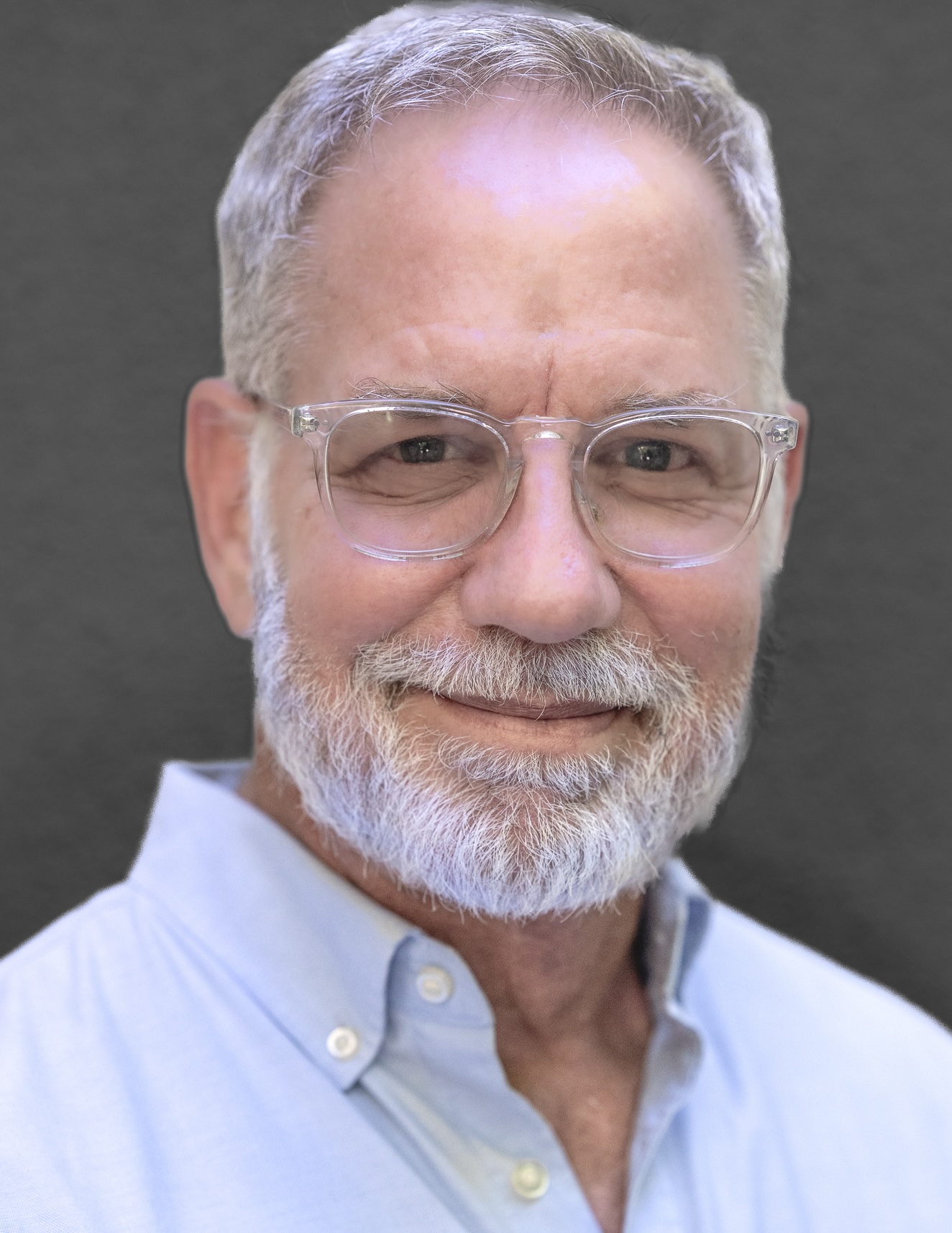
Ritch  brings a multidisciplinary background spanning spiritual care, recovery-oriented practice, and public-facing professional education. Prior to work in Spiritual Care and Psychedelic Medicine, Ritch held a decades-long career in the television industry, regularly presenting to large audiences of broadcasters and industry leaders. In addition, he has served for over thirty years in public-facing leadership roles as a board member of diverse organizations.

With over four decades of continuous recovery, Ritch brings extensive lived experience within recovery communities and is frequently invited to speak at large meetings and conventions nationwide. This experience informs an ethical, values-based approach to conversations at the intersection of recovery and emerging therapeutic practices.

Ritch’s clinical foundation includes chaplaincy and spiritual direction, with extensive clinical pastoral experience in hospital, palliative, and hospice settings, offering a compassionate understanding of trauma, grief, and existential suffering. Graduate training in Spiritual Psychology, along with certification from the Center of Psychedelic Therapy & Research, supports an evidence-informed and integrative approach grounded in ethical care and cultural humility.

Trained as a Level I and II Reiki practitioner, Ritch brings a gentle, body-centered awareness to his holistic care practice. Music is his contemplative art form; as a composer and musician, he creates ambient and neo-classical soundscapes designed to support reflection, healing, and altered states.

An alumnus of Antioch University at both the undergraduate and graduate levels, Ritch maintains strong professional connections with Antioch-trained clinicians serving recovery-oriented populations. This workshop reflects a commitment to bridging clinical practice, lived experience, and ethical inquiry in service of responsible professional learning.


Trauma-Informed Leadership for Mental Health Organizations

· January 27, 2026 ·

This professional development session explores the critical intersection of leadership and trauma-informed care within mental health organizations. Participants will learn tools to intentionally model co-regulation, establish psychologically safe environments, and make decisions that consider both staff well-being and organizational effectiveness.

Participants will learn how trauma-informed leadership goes beyond client care to strengthens teams, reduce burnout, and create healthier organizational cultures that are sustainable and aligned with social justice values. Unlike traditional leadership trainings that center on management skills alone, this session integrates trauma-informed principles with leadership strategies. It addresses how leaders can intentionally model co-regulation, establish psychologically safe environments, and make decisions that consider both staff well-being and organizational effectiveness. This session combines counseling-informed practices with leadership theory, offering a strengths-based and relational framework. Drawing from both lived experiences in mental health contexts and research in trauma-informed care, the workshop emphasizes interactive reflection and application; ensuring leaders not only understand the concepts but also know how to apply them in daily decision-making and staff support.

Learning Goals

  1. Identify and apply trauma-informed principles to leadership practices in order to promote organizational safety, trust, and resilience.
  2. Develop strategies for co-regulation and staff support that reduce burnout, increase retention, and enhance team cohesion in mental health settings.
  3. Understand ways to integrate equity and relational leadership approaches to create organizational cultures that prioritize well-being, empathy, and sustainable impact.

Instructor

Ali Corey

Dr. Ali Corey

Dr. Ali Corey is a counselor educator, clinician, and leadership consultant with extensive experience in training mental health
professionals and organizational leaders. She holds a doctorate in counseling and serves as a graduate professor, where she teaches
research, clinical practice, and leadership development in counselor education programs. Her professional focus lies at the intersection of trauma-informed care, organizational leadership, and equity-driven practices.

Dr. Corey has worked with educational institutions, clinical training programs, and community mental health organizations to foster trauma-informed leadership approaches that strengthen organizational culture, reduce burnout, and enhance client outcomes. Her scholarship and teaching emphasize strengths-based, relational leadership practices that integrate both clinical knowledge and
evidence-based leadership theory.

Participants in her sessions benefit from her ability to bridge clinical insight with practical leadership strategies, ensuring that complex research is translated into actionable skills for real-world application. With her combined background as a clinician, educator, and leadership trainer, Dr. Corey provides an engaging, research-informed, and practice-oriented perspective on what it means to lead
mental health organizations through a trauma-informed lens.

Lemuel W. Watson

Lemuel W. Watson, PhD

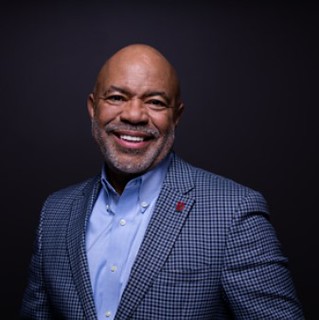
Lemuel W. Watson, PhD is Senior Associate Vice Chancellor for Academic Affairs and Vice Provost for Community Engagement at Antioch University and the Coalition of Common Good.

He has been deeply engaged with the community as a personal and professional advocate through numerous arts, community, educational, and professional boards. He commits to leaving the world better than how he has found it. He genuinely loves those he meets and is curious to get to know them authentically. He moves about the world as an educator, advocate, leader, new thought minister, poet, and collaborator with various individuals and groups. He believes there is no separating life into compartments but that each day and all experiences help one to become fully awake.

Watson is also a Distinguished Professor and Dean Emeritus and Founding Executive Director of the Center for Innovation in Higher Education at the University of South Carolina and the former founding Executive Director of the Center for P-20 Engagement and Dean of the College of Education at Northern Illinois University as well as former Associate Vice President and Interim Vice Provost for Diversity and Inclusion, Dean of the School of Education at Indiana University Bloomington. He is the former host of Indiana University’s podcast On Illuminating: truth and Light, the South Carolina Educational Television series, Carolina Classrooms, and Fulbright Scholar to Belarus. He earned a BS in Business from the Moore School of Business at USC, an MA from Ball State University, his doctorate in higher education and policy from Indiana University at Bloomington, and a doctorate in spiritual studies at Emerson Theological Institute.

He has written books, monographs, and articles related to research on leadership, contemplative practices, underrepresented populations, LGBTQ+, public policy, and human development. He has obtained over $14 million in research funding from various organizations as a researcher. A seasoned leader whose career spans various industries, including educational, non-profit organizations, private, and entrepreneurship/small businesses. He has worked as a global consultant on leadership, public policy, and talent management issues. As a certified mindfulness teacher by Search Inside Yourself Leadership Institute and as a certified mindfulness organizational strategist by the Institute for Organizational Science and Mindfulness, he currently focuses on mindful leadership and talent management to enhance work and learning environments. Residing at the intersection of leadership and mindfulness as a researcher and practitioner, Lemuel creates spaces for silence, awareness, and self-inquiry to help individuals align their strengths and intentions to guide and lead. Through his integrative approach, he shares transformative, dedicated, and integrated tools for self-renewal, personal discovery, and capacity-building that ease clients on their journey toward peace, clarity, and freedom. He commits to leaving the world better than how he has found it.

Art as Healing: Integrating Creative Modalities into Clinical Practice

· January 27, 2026 ·

Discover how art can become a powerful tool for emotional healing and growth. This workshop introduces clinicians to creative techniques that help clients process emotions, regulate the nervous system, and recover from trauma, while expanding the clinician’s therapeutic toolkit with hands-on, art-based strategies.

Explore how creative expression can deepen therapeutic work and enhance client healing. In this workshop, clinical mental health practitioners will learn the theory and practice behind using art as a powerful tool for emotional processing, self-expression, and trauma recovery. Grounded in neurobiological and trauma-informed frameworks, this session offers hands-on strategies, case examples, and ethical guidance for integrating art-based modalities into treatment planning to support clients navigating stress, grief, identity challenges, burnout, and chronic stress.

Learning Goals

  1. Describe the neurobiological and psychological mechanisms that underlie art-based healing interventions.
  2. Apply at least two art-based healing techniques to support emotional processing and nervous system regulation in therapy sessions.
  3. Identify appropriate populations, settings, and presenting concerns for the use of art-based healing strategies.

Instructor

Cecily Moore

Cecily Moore

PhD, LPC-MHSP, LMHC

Dr. Moore is very excited to be a part of the AUNE counseling department. Currently, Dr. Moore lives in Fort Walton Beach, Florida, with her spouse and two children. Dr. Moore is a military spouse and owns an online counseling practice working with Black professional mothers. Dr. Moore specializes in addressing the SBW narrative, depression, career-related stressors, career trauma, and perinatal mental health concerns. Dr. Moore is trained in EMDR, play therapy, solution-focused therapy, and perinatal mental health treatment protocols. Dr. Moore loves to read and considers herself a lifelong learner.

  • « Go to Previous Page
  • Page 1
  • Page 2

Antioch University Continuing Education

Copyright © 2026 Antioch University. All rights reserved.