• Skip to main content
Antioch.edu
Explore Degree Programs

Antioch University Continuing Education

  • Professional Development

    Professional Development

    Focus Areas

    • Counseling, Psychology, and Therapy
    • Education
    • Military
    • Nature-Based Early Childhood Education
    • Personal Enrichment

    Specific Programs

    • Conferences
    • Ethics
    • In Bloom
    • Licensure Renewal
    • Partnered Programs

    Delivery Mode

    • Hybrid
    • In-Person
    • Live Online
  • Academic Courses

    Academic Courses

    Focus Areas

    • Clinical Mental Health Counseling
    • Counseling, Psychology, and Therapy
    • Education
    • Environmental Studies
    • Experienced Educators
    • Graduate Leadership & Management
    • Humane Education
    • Nature-Based Early Childhood Education
    • Trauma-Informed Education & Dyslexia Studies

    Semester

    • Fall 2026

    Delivery Mode

    • Hybrid
    • In-Person
    • Online
    • Various
Hide Search

Live Online

Business 101 for Ethical Clinicians: Starting a Private Practice

· July 13, 2026 ·

Starting a private practice can feel both exciting and overwhelming—especially for clinicians who want to build a business that aligns with their ethics, values, and commitment to social impact. This 4-session series is designed for helping professionals who are ready to explore entrepreneurship through a trauma-informed, culturally responsive, and advocacy-centered lens.

Participants will gain a foundational understanding of the essential legal, ethical, financial, and operational steps involved in launching and sustaining a private practice. The workshop will examine key business decisions, including insurance-based versus private-pay models, marketing strategies, and client engagement practices, while centering accessibility, equity, and community care.

In addition to practical business tools, attendees will explore the emotional and relational aspects of entrepreneurship, including common limiting beliefs around money, visibility, and professional worth. Through reflection, discussion, and applied planning activities, participants will begin developing a values-driven business and marketing plan that supports both professional sustainability and meaningful community impact.

Whether you are considering private practice for the first time or preparing to take the next step toward launch, this workshop offers an empowering introduction to building a practice that is ethical, sustainable, and aligned with your mission as a clinician.

Session Topics Include:
– Business 101: Building the Foundation
– Insurance vs. Private Pay: Ethics, Access, and Autonomy
– Money Mindset and the Therapist’s Relationship with Abundance
– Authentic Marketing and Client Relationships, Marketing with Integrity and Purpose

Session Information:
Four (90 minute) Bi-weekly sessions on Thursdays:
Thursday, Sept. 17th, 2026
Thursday, Oct. 1st, 2026
Thursday, Oct. 15th, 2026
Thursday, Oct. 29th, 2026

Learning Goals

  1. Describe how entrepreneurship and private practice can serve as advocacy and social change tools.
  2. Identify the legal, ethical, and financial steps to establish and sustain a private practice.
  3. Compare insurance-based and private-pay models from accessibility, ethical, and financial perspectives.
  4. Apply trauma-informed and culturally responsive approaches to business building and client engagement.
  5. Reframe limiting money beliefs to promote professional sustainability and empowerment.
  6. Develop a business and marketing plan that reflects advocacy, ethics, and community impact.

Instructor

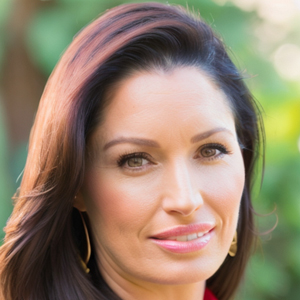
Cecily Moore

PhD, LPC-MHSP, LMHC

Dr. Moore is a faculty member in the AUNE counseling department. Currently, Dr. Moore lives in Fort Walton Beach, Florida, with her spouse and two children. Dr. Moore is a military spouse and owns an online counseling practice working with Black professional mothers. Dr. Moore specializes in addressing the SBW narrative, depression, career-related stressors, career trauma, and perinatal mental health concerns. Dr. Moore is trained in EMDR, play therapy, solution-focused therapy, and perinatal mental health treatment protocols. Dr. Moore loves to read and considers herself a lifelong learner.

(CE Credit) Shifting the Caregiving Conversation in the US Through Inclusion (In partnership with Blue Star Families)

· July 13, 2026 ·

Participants of Melinda Kavanaugh’s Shifting the Caregiving Conversation in the US Through Inclusion Keynote can register on 7/13/2026 for an NBCC/CAMFT approved CE credit certificate through Antioch University for 1 CE credit. CE certificates will be issued only to participants whom have attended in full, filled out the attendance sheet, and completed the workshop evaluation. Certificates will be issued when attendance is verified. Please allow time to processing.

Directions:

  1. Attend event. Please check your email for registration confirmation and zoom link.
  2. Fill out attendance sheet.
  3. Complete workshop evaluation.
  4. Register for CE credit through this page. | $35 |

For questions, please reach out to [email protected].

Two people sit on a bench with arms around each other, seen from behind, overlooking a harbor.

+2 to Life: Tabletop Role-Playing Games for Personal, Social, and Civic Health

· June 25, 2026 ·

Dungeon & Dragon dice sitting on text

Tabletop role-playing games (TTRPGs) are far more than entertainment. They are research-supported tools for learning, connection, and growth. This professional learning opportunity is designed for educators, librarians, therapists, caregivers, and community leaders who want to harness the power of collaborative storytelling and structured play to foster creativity, empathy, and civic engagement in the people they serve.

Participants will explore the research base behind TTRPGs and engage with practical strategies for integrating them into classrooms, libraries, therapeutic settings, and community spaces. This course supports a shift toward playful, participant-driven approaches that center collaboration, perspective-taking, and meaningful reflection, values that align directly with the CCDEI framework’s commitment to inclusive, equitable, and community-centered practice.

Learning Goals

  1. Develop a working understanding of core TTRPG structures and how they function in facilitated play.
  2. Build confidence and practical skills for leading TTRPG sessions across a variety of professional settings, such as classrooms, libraries, therapeutic environments, and community spaces.
  3. Expand their capacity to adapt TTRPG facilitation to support a wide range of learners and participation needs.
  4. Strengthen their ability to connect TTRPG programming to learning, wellness, and the broader mission of their professional context.
  5. Grow their skills in communicating the educational and well-being value of TTRPGs to the people they serve and their communities, such as students, clients, families, and institutional stakeholders.
  6. Apply course learning to the design of future programming involving games and collaborative storytelling in their own professional setting.

Instructor

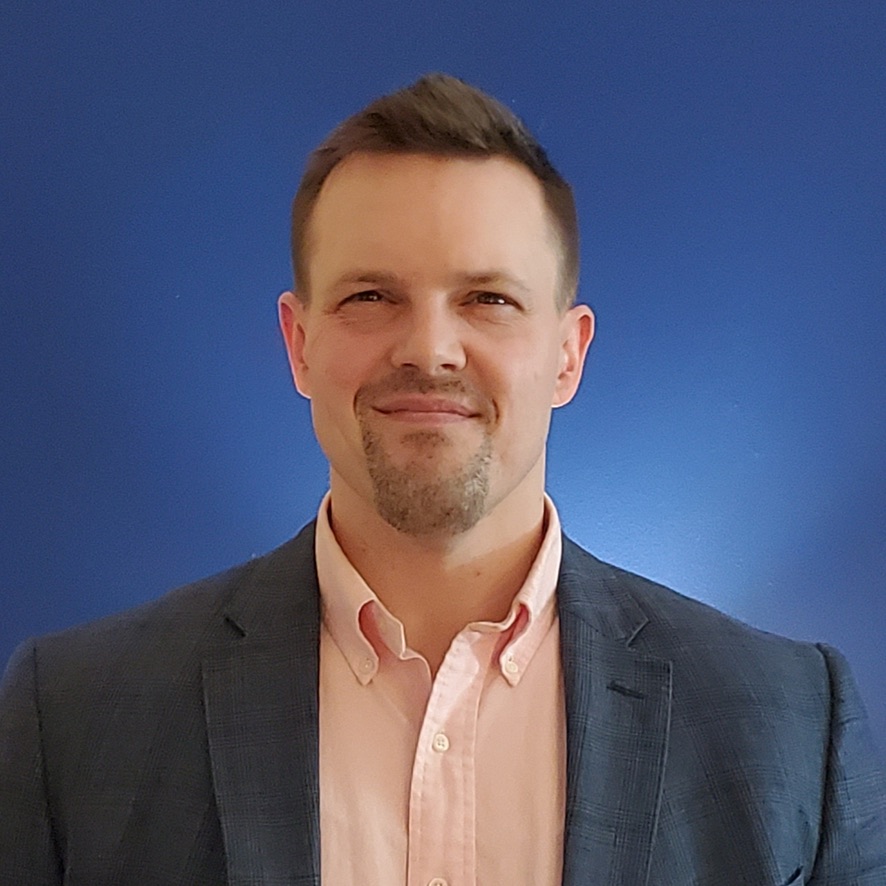
Adam Davis

Facilitator of Game-Based Human Flourishing

Adam has been using games to build community, connection, resilience, and joy for nearly 15 years. In 2017 he co‐founded Game to Grow, a nonprofit that has served hundreds of youth worldwide through its Social Flourishing and Hospital Gaming programs. Under his leadership, the groups grew to support more than 150 participants each week, and he trained thousands of practitioners across six
continents to use role‐playing games in classrooms, clinics, hospitals, and libraries.

He also co‐created Critical Core, a therapeutic role‐playing game now
in the hands of more than seven thousand therapists, educators, and
families worldwide. Along the way, he had the opportunity to share
this work in over 70 presentations at more than 30 conferences,
including a keynote for the Washington Association of Marriage and
Family Therapy. His writing has been published in five books, and
has been fortunate to have his work featured by outlets such as The
New York Times, BBC, TIME, National Geographic, and Forbes.
Through all of this, Adam remains grateful to have been part of a growing global
movement bringing the life‐enriching power of games to classrooms,
clinics, hospitals, and homes around the world.

Tarot Journaling: The Wheel of Fortune

· May 20, 2026 ·

A journaling and writing inspiration workshop. In this six-week workshop, we explore how The Wheel of Fortune, Major Arcanum X, symbolizes ways we view, manifest, and experience the state of thriving.

The four Minor Arcana Tens in the tarot deck offer a chance to reflect on the questions about how we’ve experienced The Wheel of Fortune in the past and the opportunities to deepen our engagement heading into the present and future:

How do we celebrate the peak joys and wonders of the heart with family and community? (Ten of Cups)

How do we connect to our wealth of ancestral legacy and prosperity? (Ten of Disks)

How do we recognize when a challenge has run its course and there’s nothing left to do but let go? (Ten of Swords)

How do we tap into universal and community life force for help when we’ve drained our own? (Ten of Wands)

These are the kinds of in-depth questions we will address in writing and discussion. You will learn a method for tarot journaling and a handful of other simple tools designed to help you begin and deepen your relationship to tarot. You’ll have the optional opportunity to create a personal tarot card using your own personal symbols that resonate for you. No prior experience with the tarot or with art-making is necessary. Tarot images from a variety of decks will be provided, though you are welcome to work with your own deck of choice.

Learning Goals

  1. Develop a personal tarot journaling practice
  2. Interpret and integrate the symbolic lessons of the Wheel of Fortune and the Four Tens.
  3. Create a personalized symbolic tarot card as a tool for self-expression

Instructor

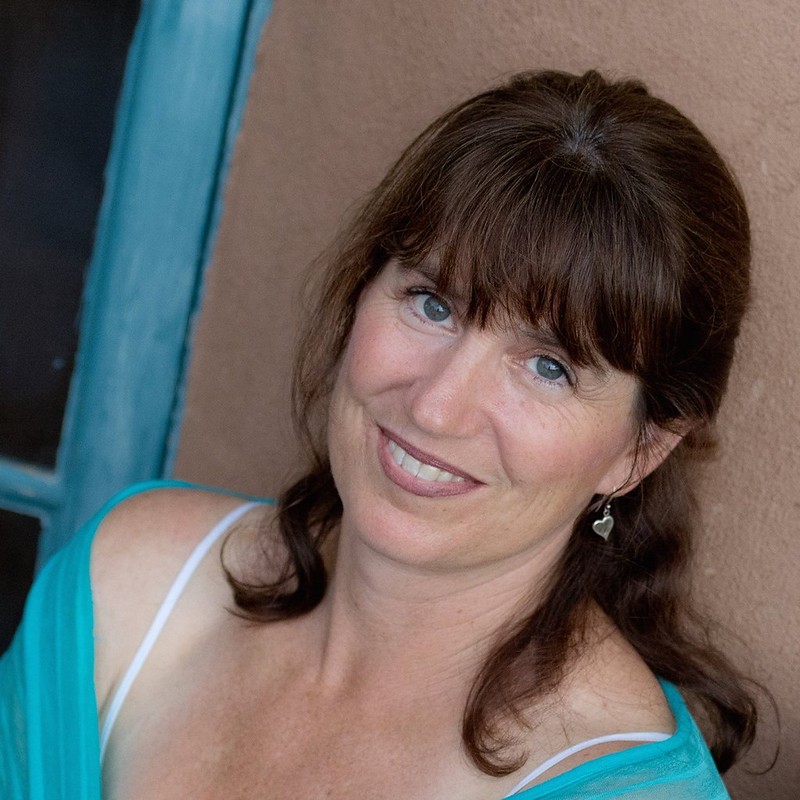
Tania Pryputniewicz

Tania is a heart-centered writing teacher, poet, and tarot muse passionate about cross-pollination and hybrid forms from poetry movies to tarot haiku. Once trapped in a loveless romance in her early twenties as an undergraduate English Major, Tania found a tarot deck in a bookshelf that saved her soul and set her feet firmly on the Royal Road. She brings over twenty-five years as a writing teacher and practicing tarot reader to her tarot-inspired writing classes.

A graduate of the Iowa Writers’ Workshop, Tania is the author of the poetry collection, November Butterfly (Saddle Road Press, 2014), the tarot workbook, Heart’s Compass Tarot (Two Fine Crows Books, 2021), and a memoir-in-poems, The Fool in the Corn (Saddle Road Press, 2022).  

Recent poems appeared in America, We Call Your Name: Poems of Resistance and Resilience (Sixteen Rivers Press, 2018), NILVX: A Book of Magic (Tarot Series), The Rockvale Review and at SWWIM online. She teaches tarot journaling and poetry at San Diego Writers, Ink and lives in Coronado with her husband, three children, one blue-eyed Siberian Husky and a formerly feral feline named Luna. Her on-line home is: www.taniapryputniewicz.com

Assessing Suicide & Safety Risk in Military Veterans: Best Practices

· May 18, 2026 ·

This workshop equips clinical mental health counselors with the knowledge and tools to conduct effective risk assessments through a military- and veteran-specific lens. Participants will gain a deeper appreciation and understanding of military culture, exploring how this population’s unique strengths and experiences intersect with potential clinical risk factors. Drawing from both lived military experience and research on military-veteran mental health, this session challenges traditional assumptions and expands perspectives on working with veterans and their families.

Through case examples and applied learning, counselors will enhance their ability to identify and assess military-specific risk factors, apply evidence-based assessment tools, and develop culturally responsive safety plans that align with veterans’ values and help-seeking patterns.

Learning Goals

  1. Identify and assess military-specific risk factors
    By the end of this workshop, participants will be able to identify at least 5 unique risk factors common to military-veteran populations
    (such as combat exposure, moral injury, transition stress, and access to firearms) and integrate these factors into comprehensive
    suicide and violence risk assessments.
  2. Apply evidence-based risk assessment tools adapted for veteran populations
    Participants will be able to select and administer at least 2 validated risk assessment instruments appropriate for military-veteran
    clients (such as the Columbia-Suicide Severity Rating Scale or veteran-specific screening tools) and interpret results within the context
    of military culture and experience.
  3. Develop culturally responsive safety planning and intervention strategies
    Participants will be able to create tailored safety plans and risk management interventions that account for military values, veteran
    help-seeking behaviors, and available veteran-specific resources (including VA services, veteran peer support, and crisis lines), while
    addressing barriers to care unique to this population.

Instructor

Dr. David Gosling

PhD, LPC (VA, WI), NCC

Dr. David Gosling is a Licensed Professional Counselor (LPC), Assistant Professor and the Director of Military Counseling in the counseling program at William & Mary’s School of Education. David previously served as a core faculty member in the Counseling, Psychology, and Therapy Department at Antioch University, where he was the co-founder and director of the Military, Veterans & Families (MVF) Counseling Certificate, as well as the Military Connected Student Support Liaison for Antioch University’s five nationwide campuses.

David is a proud alum of William & Mary’s Counselor Education and Supervision program, a former Airborne Ranger-qualified Infantry Officer in the U.S. Army and combat veteran of Operation Iraqi Freedom 06-08, the Honor Graduate of the 2009 Rhode Island State Police Academy and the Distinguished Military Graduate of the University of Colorado’s Army ROTC program in 2004. His other professional pursuits beyond the military, law enforcement and counselor education have included working as an Outward Bound wilderness guide for troubled teens, operating an Islamic nonprofit farm and retreat center and working in veterans advocacy on Capitol Hill. 

  • Page 1
  • Page 2
  • Page 3
  • Go to Next Page »

Antioch University Continuing Education

Copyright © 2026 Antioch University. All rights reserved.